
Injection Molding Robot Applications
KEFAN connects injection molding robots, EOAT, application-specific tooling and downstream equipment for repeatable part take-out, handling and secondary processes. These manufacturing robots are configured around the molded part, machine signals and required production flow.
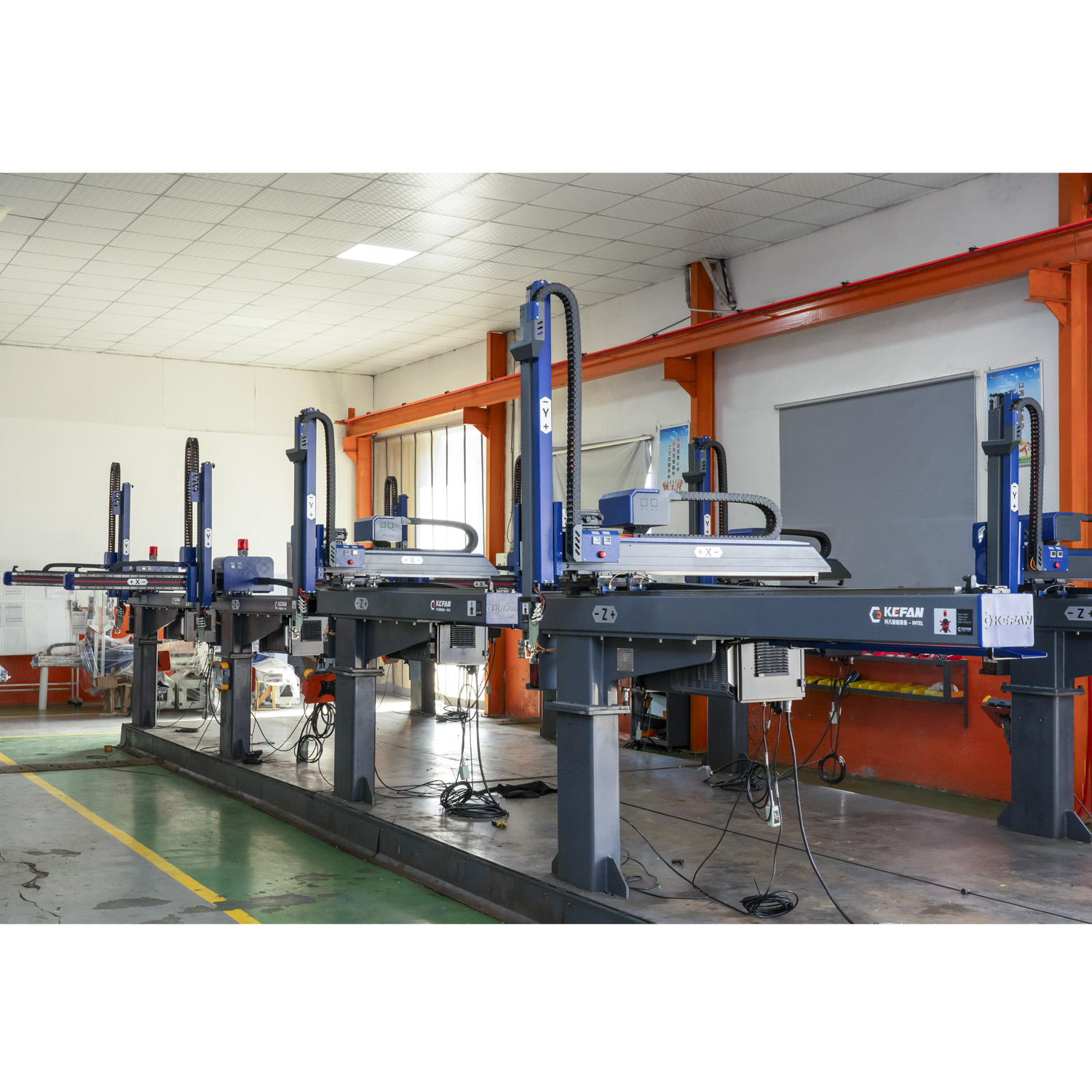 ROBOT • EOAT • PROCESS FLOW
Connect mold take-out with the operations that follow
The right application starts with the molded part, the available cycle window and the condition in which the product must reach the next step.
Part & Runner Removal
Remove molded products and runners with tooling designed around the agreed pickup points.
Degating & Sorting
Separate parts or runners and route output into defined good-part, reject or recycling flows.
Insert Loading
A pick and place robot can present and load inserts while coordinating pickup confirmation and placement signals with the molding machine.
Inspection & Orientation
Check presence, orientation or defined product features before the part is released downstream.
Conveying & Stacking
Transfer, count, arrange or stack products for collection, cooling or the next process.
Packaging Integration
Connect molding output with bagging, tray loading or case-packing equipment where required.
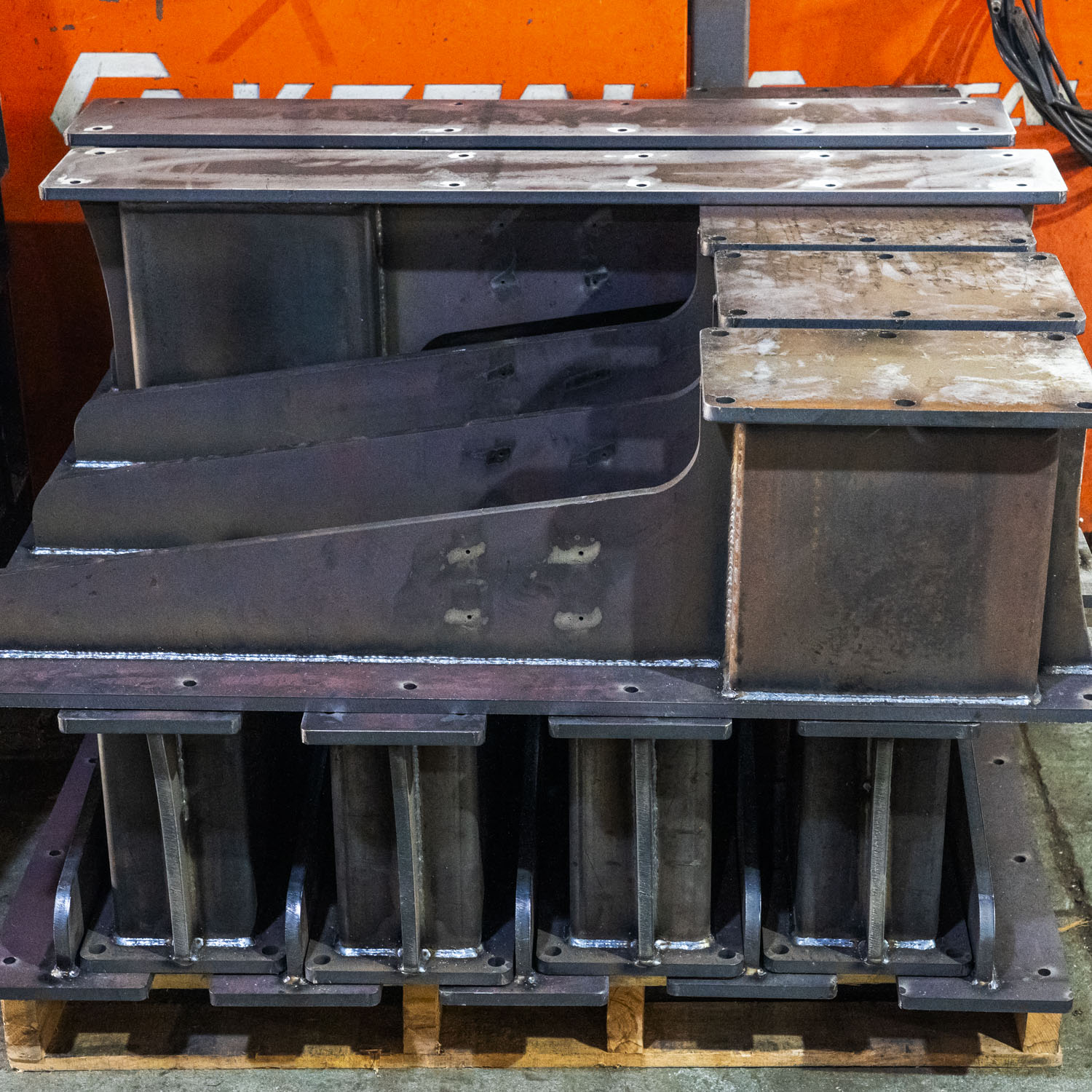
Choose the handling concept before choosing equipment
Robot configuration, EOAT and downstream functions should be selected from the real product and process conditions, not from a generic equipment list.
- Part geometry, material, temperature and acceptable contact areas
- Mold layout, machine interface and available mounting space
- Pickup, release, orientation and reject-handling sequence
- Cycle-time objective based on confirmed operating conditions
- Downstream inspection, stacking, conveying or packing needs
- Operator access, changeover, guarding and maintenance requirements
Start from your product requirements
Each sector has different handling, presentation and quality priorities. These pages show how the automation scope changes with the product.
Automotive Parts
Handling concepts for molded components where orientation, surface protection, inserts or inspection may define the process.
Explore automotive applications →Packaging Products
Automation for high-volume molded products that may require counting, stacking, conveying or direct packing.
Explore packaging applications →Special Processes
Integrated cells for products or sequences that need custom tooling, fixtures, controls or downstream equipment.
Explore custom automation →Four questions define the application
Clear answers at the beginning reduce assumptions during concept development and quotation.
What must be handled?
Drawings, samples, weights, variants and contact restrictions.
What must happen?
Pickup, orientation, inspection, transfer, stacking or packing.
When must it happen?
Mold sequence, cooling needs and downstream timing constraints.
What must connect?
Machine signals, EOAT services, peripherals, safety and site standards.
Planning an injection molding automation application
Which robot configuration should I choose?
The choice depends on machine size, mold layout, reach, product handling sequence, tooling and downstream operations. Confirm the application before fixing the configuration.
Can one robot handle both parts and runners?
Often yes, when the EOAT, payload, motion sequence and release locations are designed for both functions. The actual part and mold information must be reviewed.
Can inspection be integrated into the cell?
Presence, orientation and defined feature checks can be included when the inspection criteria, product presentation and reject flow are clearly specified.
What information is needed for a quotation?
Provide the molding machine and mold information, product drawings or samples, target sequence, cycle expectations, downstream operations and available floor space.
Turn your production process into an automation concept
Send product data, machine information, process requirements and the operations required after the robot cycle.